
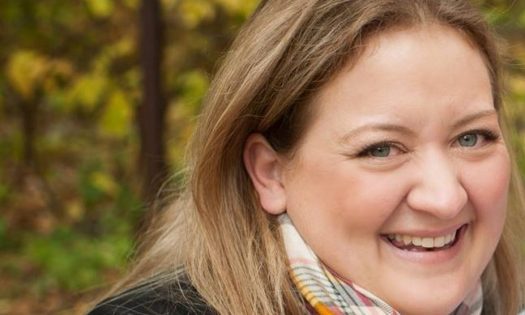
Dr. McCombs is an assistant professor in the English department at Elmhurst University where she teaches composition, Civil War literature, Chicago literature, Nature Writing, research methods, First-Year Seminar and service learning. She has also accompanied students on study away programs in the UK and serves as the campus coordinator for the Middlebury CMRS program at Kebel College Oxford.
She has over fifteen years experience teaching in both high school and college settings. In 2019, she was nominated by students for the prestigious Elmhurst University President’s Award for Excellence in Teaching.
Dr. McCombs received her BA in English Education with minors in Bilingual Education and ESL from Washington State University in 2004. After teaching at Ferris High School in Spokane, Washington, she completed her MA in English in 2007, and her PhD in 2017. Her dissertation, entitled The Double Bind of Black Manhood: The Language of Masculinity in African American Literature, 1800-1900, charts African American engagement with issues of masculinity and citizenship from the Early Republic through the antebellum period ending in Reconstruction. Working with both literary and historical documents, her research demonstrates how African American abolitionists both accepted hierarchical/traditional formulations of masculinity/manhood and worked to contest them.
Her research interests include 19th-century African American literature, sentimental literature, abolitionist literature, the intersectionality of race and masculinity, anti-racist teaching practice, rhetoric of nonviolence, retention of African American students, high impact teaching practices, composition and rhetoric, and the languages of spectacle and witnessing.
Dr. McCombs is currently working on a book length project tentatively entitled Testimony in Blood: The Pervasiveness of Spectacle in the Othering of Black Bodies. It engages with the spectacular nature of both abolitionist work of the 19th-century and the current protests against police brutality. The need to see and reenact the violence done to black bodies at the hands of those sworn to “serve and protect” has antecedents in 19th-century abolitionist protests. Additionally, her work considers the ways that both types of activist work focused on the damage done to the body rather than the individual him/herself or the emotional/psychic damage done to the community.
Dr. McCombs is also pursuing research on the use of high impact teaching practices (experiential learning, study away) as anti-racist pedagogical tools.
Additionally, Dr. McCombs has currently begun collecting the oral histories of African American members of The Church of Jesus Christ of Latter-Day Saints through the Mormon Women’s Oral History Project at Claremont College as part of her growing interest in the power of narrative as a tool for anti-racist work.
Dr. McCombs has presented her research at the American Studies Association Conference, the Conference on College Composition and Communication, the National Collegiate Honors Council Conference, and the Midwest Modern Language Association Conference.
 Erika Anne Kroll McCombs PHD